
A promising healthcare category needs evidence of buyer interest and a workable product offer. A long catalogue or a popular search term cannot establish demand in a particular territory. Start by writing the question your category review must answer: which specific presentations deserve a more detailed commercial assessment?
Collect signals you can trace
Use your own anonymized enquiry records, relevant account conversations and any market data you are entitled to use. Record the date, territory, customer channel and presentation behind each signal. Separate an actual request for a named product from a general expression of interest in a category.
A hospital buyer asking about an identified infusion and a retailer asking about gummies create different requirements. Neither request justifies assumptions about the other channel. Keep the original scope visible when summarizing demand.
Test the practical fit
| Question | Evidence to gather |
|---|---|
| Who is interested? | Dated buyer requests by channel and territory |
| What presentation? | Name, form, strength expression and pack |
| Can we assess it? | Product information and destination review requirements |
| What remains uncertain? | Unconfirmed quantities, documentation and commercial terms |
Choose a small next step
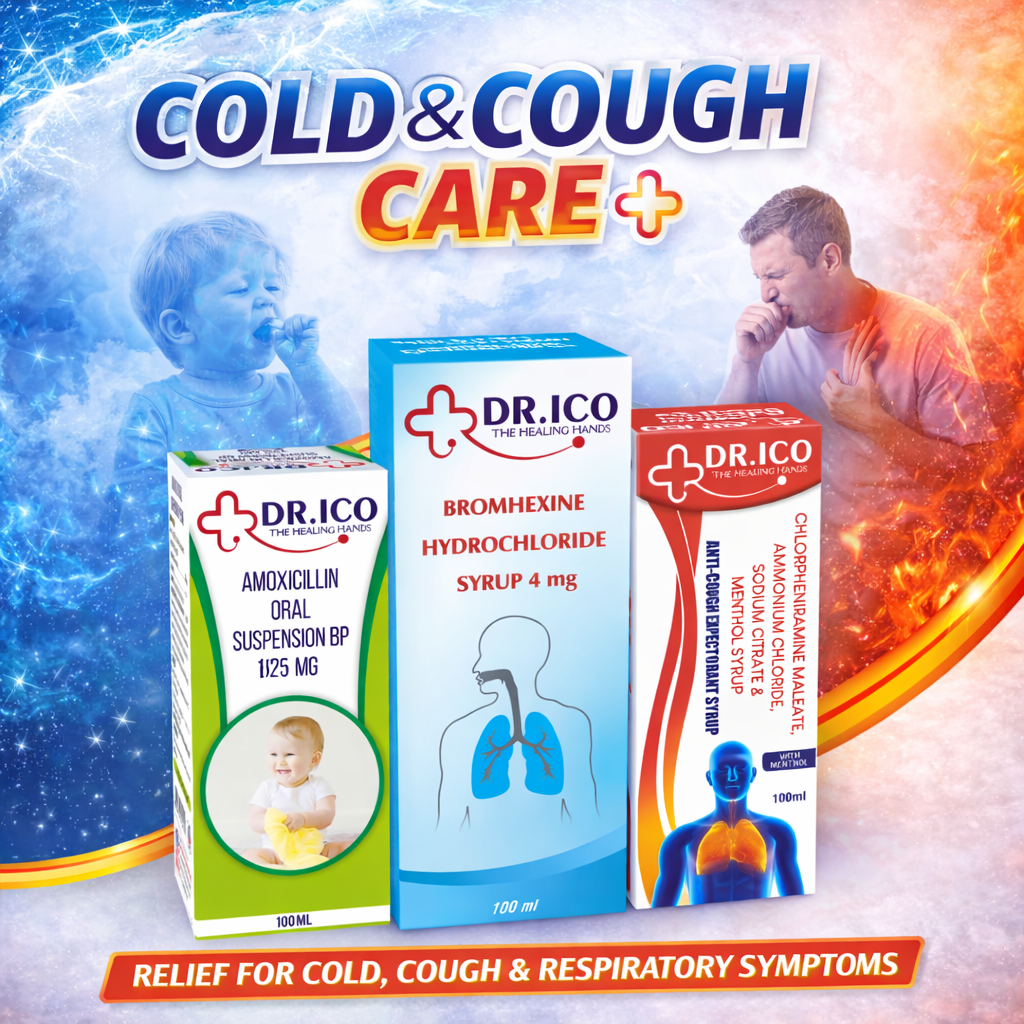
Build a shortlist of actual records from the Dr. ICO catalogue. Keep missing information as an open question rather than assigning a favourable score. Decide which questions could change your recommendation and request those answers first.
The result should be a reasoned decision to investigate, defer or reject a category for your business. It should not be a claim that a product is approved, profitable or available in your market. For a product-specific discussion, send your shortlist and evidence-based requirements through the business enquiry route.