
A healthcare product launch plan should make the next decision visible before work advances. Use clear review stages so product identity, destination requirements, packaging and commercial assumptions are confirmed by the responsible people at the appropriate time.
Stage 1: define the proposed product and market
Record the exact catalogue presentation, intended destination and buyer context. Keep product name, form, strength and pack together. Explain whether the project concerns an existing branded presentation or a proposed change that needs further discussion.
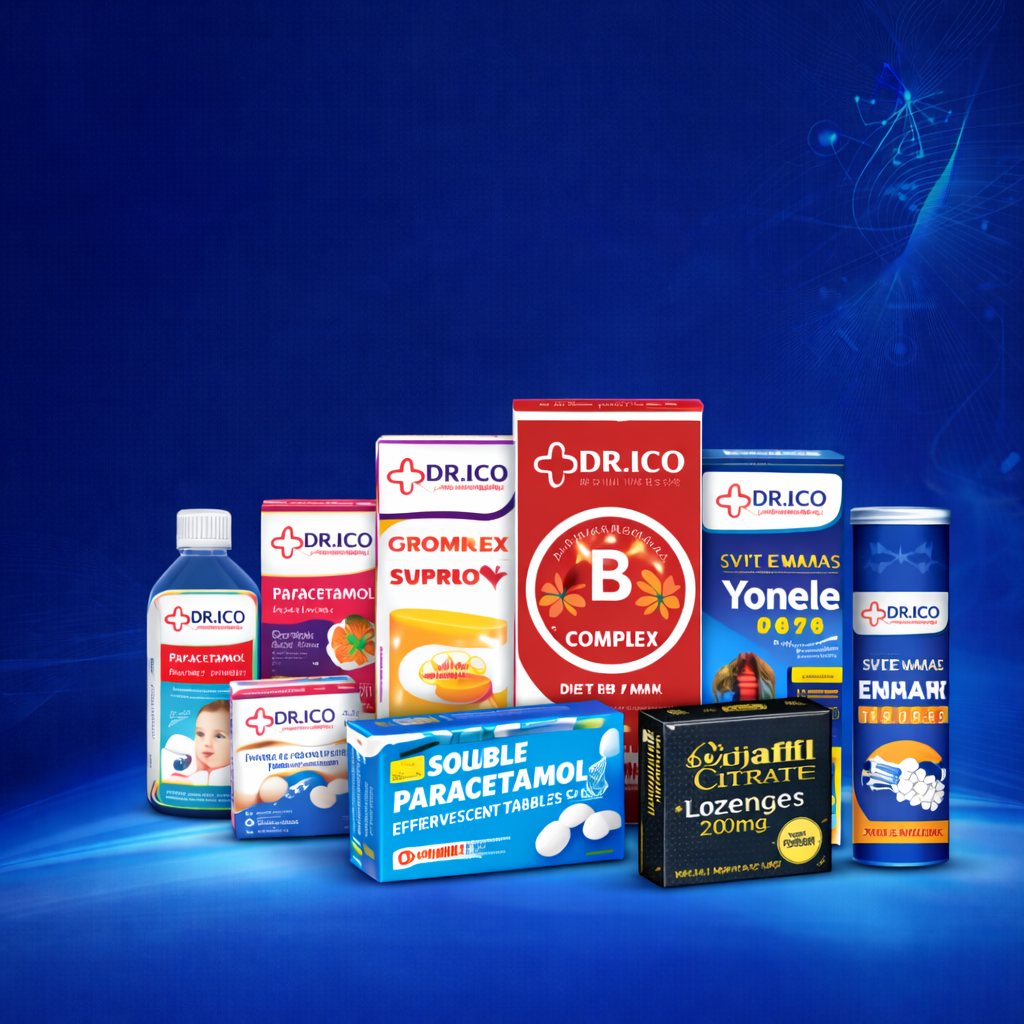
For a multi-product project, build a separate line for each presentation from the Dr. ICO catalogue. Do not treat all items as equally ready because they appear under the same category.
Stage 2: identify the evidence needed
Ask the responsible qualified local team to determine the current requirements for the exact product and intended activities. Keep a list of information needed from each party, with an owner and status. A catalogue page does not confirm registration, market authorization or permission to use a particular marketing claim.
Review product information and the proposed business roles together. If the legal entity, specification or pack changes, record which earlier conclusions need to be revisited.
Stage 3: align packaging and commercial assumptions
| Decision area | Required output |
|---|---|
| Product | A reviewed identity and specification reference |
| Packaging | A defined saleable pack and controlled artwork proposal |
| Commercial discussion | Confirmed quantity basis, responsibilities and open terms |
| Market review | A documented assessment by the responsible reviewer |
| Progression | A named decision owner and conditions for the next stage |
Stage 4: approve the next step with conditions
At each review, distinguish completed work from assumptions. If a document, packaging decision or commercial question remains open, state whether it blocks the next stage and who will resolve it. Avoid inventing a launch date from a generic lead-time estimate.
Maintain a short decision log with the date, evidence reviewed and any conditions attached. This helps the team understand why a proposal progressed and what changed if the plan needs revision.
To begin a discussion with Dr. ICO, send your product shortlist and market context through the business enquiry route. Use the response to plan the next evidence exchange; a first enquiry is not a commitment to launch or a confirmation that the proposed activity is authorized.