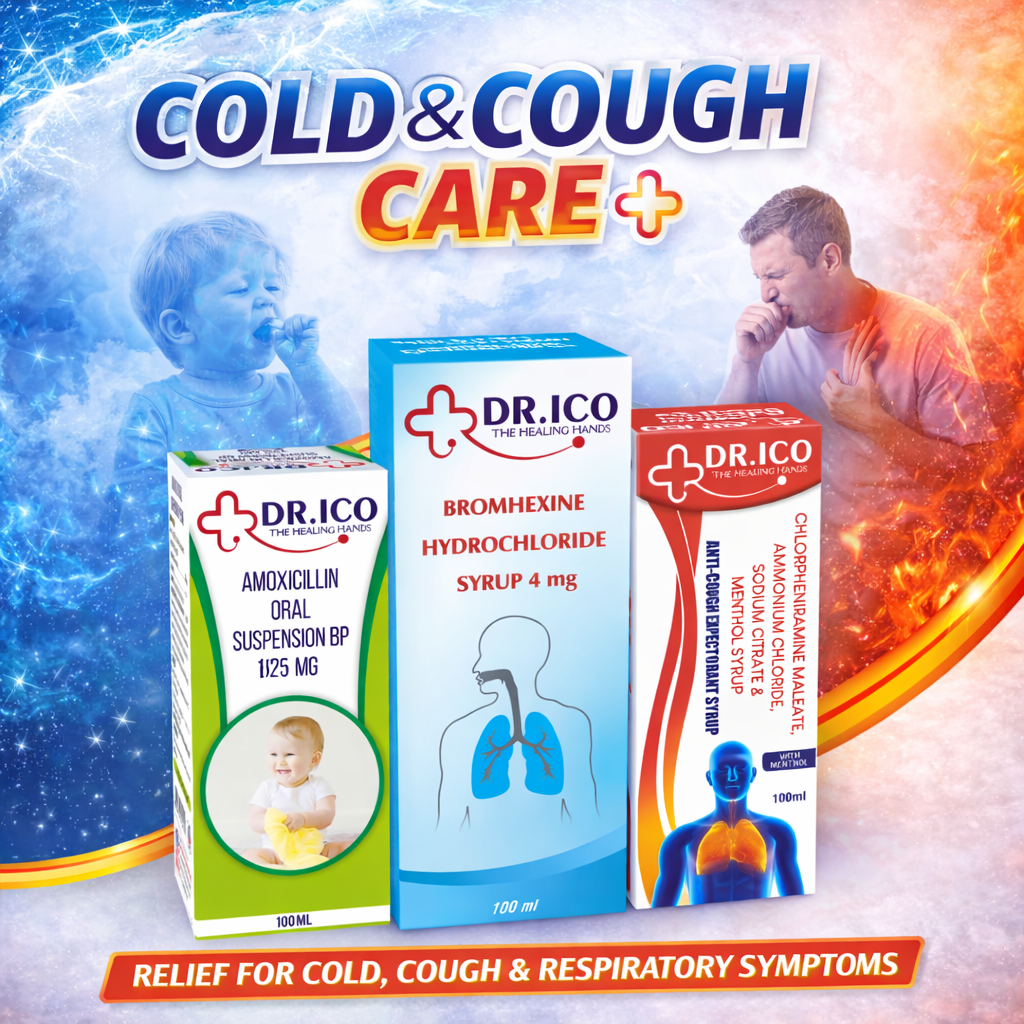
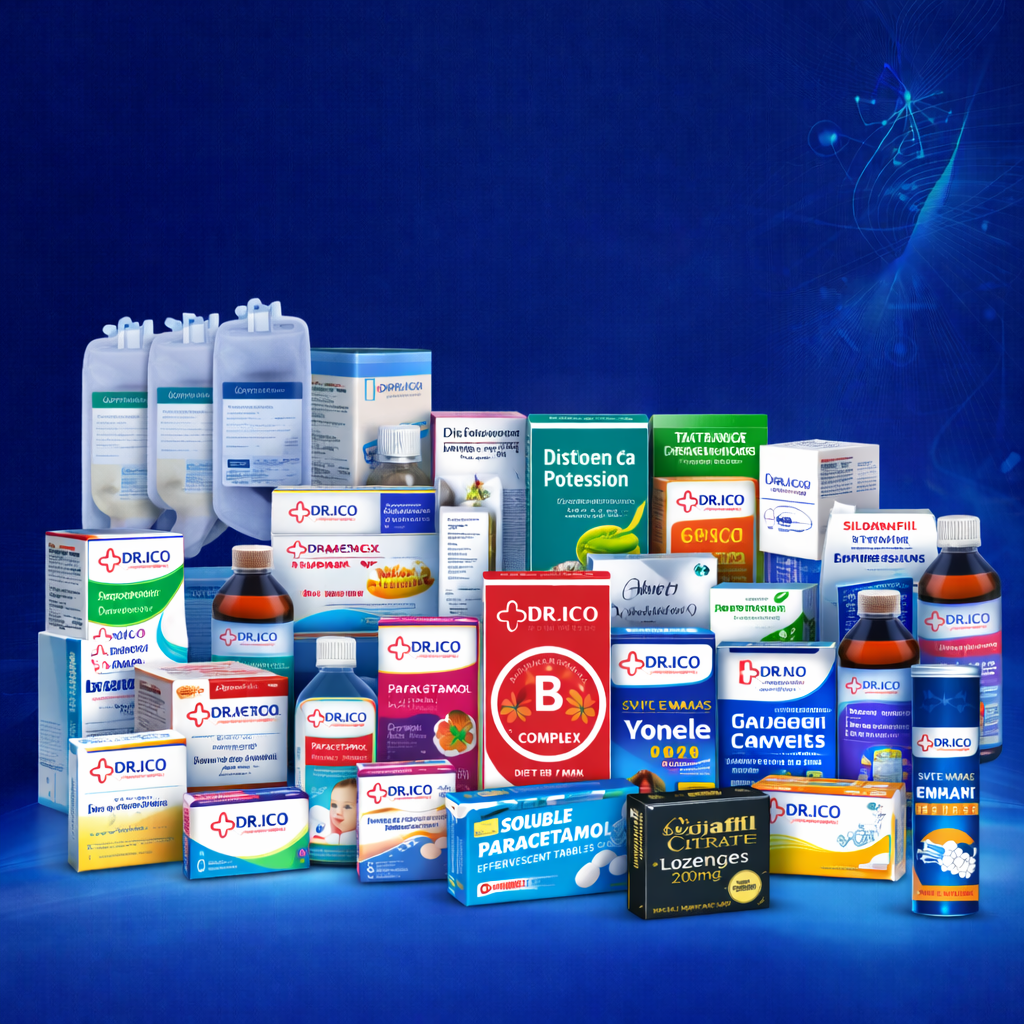
A product mix organized around tablets, capsules and oral liquids can help a buyer see gaps in a shortlist. It is a commercial planning view, not a basis for deciding that dosage forms are interchangeable. Start with the presentations your buyers have actually requested.
Use one row per presentation
Keep the product name, dosage form, strength and pack together. Do not collapse capsule and tablet records into a single line because the ingredient name appears similar. Preserve qualifiers such as gastro-resistant or effervescent when they occur in the catalogue.
The ibuprofen tablets BP 600 mg entry and the cloxacillin capsules USP 500 mg entry illustrate distinct product records. They are examples of catalogue formats, not suggested substitutes.
Make liquid fields explicit
For an oral liquid, separate concentration from bottle volume. Retain a denominator such as /5 mL when it appears in the product name. Record suspension, syrup or solution as stated; do not silently standardize them to the same form.
Browse the oral liquids category and add only the presentations relevant to your requirement. Request approved composition details whenever a public entry is incomplete.
Review the mix against your operations
Compare each proposed line with buyer interest, product-information completeness and the operational questions your business needs answered. Storage requirements, saleable units and commercial availability need product-specific confirmation. An empty cell means more information is needed, not that a product passes the review.
A useful output is a short list grouped by form, with an explanation for each inclusion and a separate list of unresolved questions. Send that list to Dr. ICO as a focused enquiry before progressing to a commercial decision.